
Uncategorized

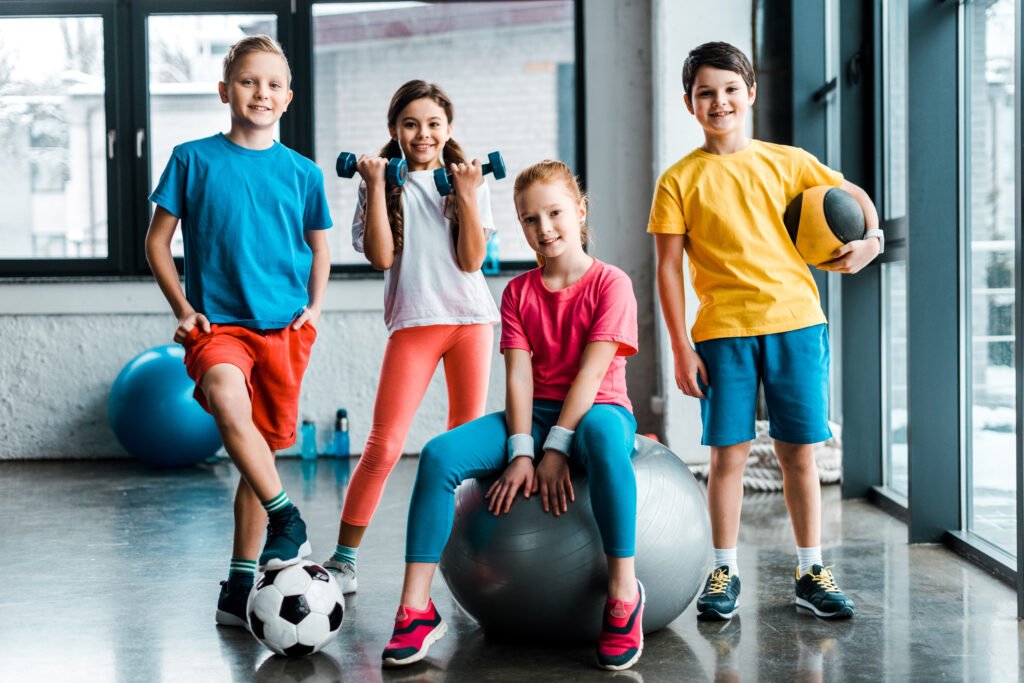
laughing preteen kids posing with sport equipment

What Age Should You Start Playing Tennis? A Complete Beginner’s Guide

What Age Should You Start Playing Tennis? A Complete Beginner’s Guide If you’re a parent wondering what age should you start playing tennis, you’re not alone. Many families want their children to enjoy sports, stay active, and develop confidence—but knowing the right time to begin can feel confusing. Some children hold a racquet as early as preschool, while others begin much later and still thrive. The key isn’t just age—it’s how the sport is introduced. Modern coaching methods allow kids to learn tennis in a fun, structured way that matches their stage of development. Professional training environments, including academies such as TopspinsG Tennis Academy, design programs specifically for different age groups so beginners feel comfortable from day one. In this guide, we’ll cover: By the end, you’ll have a clear understanding of how to start your child’s tennis journey the right way. What Age Should You Start Playing Tennis? The simple answer to what age should you start playing tennis is: Most children are ready for structured learning between ages 5 and 7. However, kids can start getting familiar with the sport even earlier through play-based programs. Here’s why this age range works so well. Motor Skills Are Developing Rapidly Around ages five to seven, children experience major improvements in: These skills are essential for learning how to hit and control a tennis ball. Children Can Follow Coaching Instructions Kids in this age group can usually: This makes beginner tennis lessons more effective and enjoyable. Learning Feels Like Play Good kids tennis training doesn’t feel strict. Instead, sessions involve games, teamwork, and challenges that naturally develop tennis ability. When children enjoy the process, they’re far more likely to continue playing long term. Tennis Programs by Age One of the biggest factors in a child’s success is training that matches their age and development level. Quality academies structure programs so young players progress step by step. Let’s look at how training usually evolves. Ages 3–5: First Introduction to Tennis At this stage, the goal is simple: make tennis fun. Children this young are still developing coordination, so sessions focus on movement and playful activities rather than technical instruction. Typical elements include: Kids begin to understand how the racquet connects with the ball while building athletic foundations. Mini tennis programs designed for this age help children develop confidence and comfort on the court. Many parents are surprised how quickly kids begin rallying once equipment is scaled properly. Ages 5–7: The Best Age to Start Tennis This age range is widely considered the best age to start tennis seriously. Children begin learning real tennis fundamentals such as: Training still includes fun games, but now there is a stronger focus on skill development. Programs often use: These adjustments allow beginners to succeed early, which builds motivation. Structured academies design these beginner tennis lessons so kids improve without feeling pressure. Ages 7+: Building Real Tennis Skills Once children reach about seven or eight, they can focus more deeply on technique and strategy. Training usually includes: Kids also begin to understand the competitive side of tennis. At this stage, a structured coaching pathway becomes valuable. Many well-established academies follow progressive training systems that help players advance from beginner levels toward competitive development. Programs like those offered through TopspinsG focus on creating strong fundamentals first before pushing advanced competition. Benefits of Tennis for Children Tennis offers much more than just learning how to hit a ball. It supports physical health, mental development, and social confidence. Physical Fitness and Athletic Development Tennis builds a wide range of athletic abilities: Because the sport involves constant movement and quick reactions, children develop full-body athleticism. Many coaches consider tennis one of the best sports for developing overall physical literacy. Mental Strength and Focus Tennis requires players to think while playing. Young athletes learn how to: Over time, these mental skills carry into school and other activities. Confidence and Personal Growth Every rally and match helps children grow more confident. They begin to trust their abilities and understand that improvement comes from practice. This mindset is incredibly valuable for personal development. Social Interaction and Friendships Tennis may look individual, but training is often very social. Kids tennis classes allow players to: Positive group environments often turn tennis into a sport kids want to stick with for years. Choosing the Right Equipment for Beginners The right equipment makes learning easier and more enjoyable. Parents often assume standard adult equipment works for kids—but scaled gear is far better. Junior Tennis Racquets The correct racquet size helps kids swing comfortably. Typical guidelines: Lightweight racquets prevent bad habits and frustration. Beginner Tennis Balls Modified balls are essential in kids tennis training. These include: They help beginners rally earlier, which builds confidence. Proper Tennis Shoes Tennis requires quick side-to-side movement. Good tennis shoes provide: Avoid using running shoes if possible, since they’re designed for straight movement rather than rapid changes of direction. How to Choose the Right Tennis Academy Finding the right coaching environment can make a huge difference in how much a child enjoys tennis. Here are a few things parents should look for. Experienced Coaches Coaches should understand both tennis technique and child development. For example, at TopspinsG Tennis Academy, the coaching team brings international experience and structured training methods designed to help players grow at every level. The academy has trained 500+ players and developed programs refined through 20+ years of coaching experience, which helps beginners learn in a supportive environment. Structured Training Programs A good academy offers clear pathways such as: This allows players to progress naturally over time. Topspin’s programs are designed for juniors, adults, beginners, and even seniors, ensuring every player finds the right entry point into the sport. Positive Learning Environment Children perform best when training feels encouraging rather than stressful. Look for academies where coaches emphasize: When players feel supported, they stay motivated much longer. Strong Coaching Background Parents often appreciate knowing their child is learning from experienced professionals. At Topspin, coaching leadership includes former ATP-ranked player Saurav

What Age Should You Start Playing Tennis? A Complete Beginner’s Guide Read More »

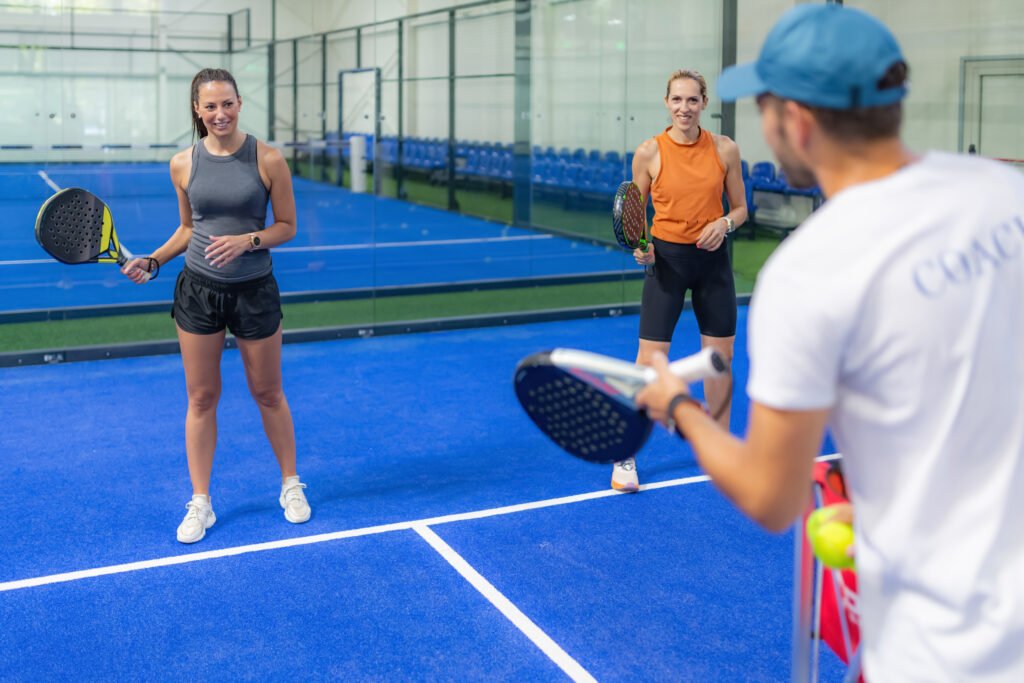
Expert Coaching For Two Women Improve Together Ef 2024 10 19 22 30 30 Utc 1024x683

How to Start Playing Tennis: A Beginner’s Guide by TopspinsG Tennis Academy

How to Start Playing Tennis (Complete Beginner Guide) If you’re wondering how to start playing tennis, you’re not alone. Many beginners want to learn the sport but don’t know where to begin. Every year, thousands of beginners pick up a racket for the first time, inspired by the excitement of the sport and legendary players like Roger Federer and Serena Williams. Tennis is one of the most popular sports in the world and a fantastic way to stay fit, competitive, and mentally sharp while having fun. One of the best things about tennis is that anyone can start, regardless of age or experience level. Whether you want to play casually with friends, improve your fitness, or eventually compete in tournaments, learning the basics is the first step. From understanding the rules to choosing the right racket and practicing simple strokes, the journey into tennis can be both exciting and rewarding. At Topspinsg Tennis Academy, we help beginners take their first confident steps onto the court with structured coaching, beginner-friendly drills, and supportive training sessions. Our goal is to make learning tennis enjoyable while building strong fundamentals from day one. This guide explains everything you need to know about how to start playing tennis, including essential equipment, basic techniques, and practical tips that will help you rally, improve your skills, and start enjoying the game. 🎾 Table of Contents 1. Why Tennis Is a Great Sport for Beginners Tennis is more than just a sport—it’s a complete activity that benefits both the body and the mind. For many beginners researching how to start playing tennis, the appeal comes from the sport’s ability to improve fitness, focus, and overall well-being. Playing regularly helps improve endurance, coordination, balance, and mental sharpness. The fast pace of tennis keeps you constantly moving, reacting, and thinking, which makes it an excellent workout as well as a mental challenge. Many new players feel inspired to learn how to start playing tennis after watching legends like Roger Federer or Rafael Nadal compete at the highest level and demonstrate incredible skill, discipline, and sportsmanship. There are many reasons why people decide to start playing tennis. Some of the biggest benefits include: Full-body workout – Tennis engages almost every muscle group. Running, swinging, and quick direction changes improve strength, agility, and cardiovascular fitness. Mental discipline – The game requires strategy, patience, and concentration, helping players develop stronger mental resilience over time. Social interaction – Tennis is a great way to meet new people, play with friends, and be part of a sports community. Stress relief – Physical activity and focus on the game help reduce stress and improve overall mood. Competitive opportunities – As you improve, you can participate in friendly matches, club tournaments, and local competitions. Even playing just two or three times a week can significantly improve your fitness, energy levels, and overall health while making the sport an enjoyable part of your routine. 2. Essential Equipment for Beginners Before learning how to start playing tennis, it’s important to make sure you have the right gear. Having proper equipment not only improves your performance but also helps prevent injuries and makes the learning process much more enjoyable. Beginners don’t need the most expensive equipment, but choosing the right basics can make a big difference when you step onto the court for the first time. Tennis RacketA good beginner racket should be lightweight and easy to control. Most beginners benefit from a racket with a larger head size because it provides a bigger “sweet spot,” making it easier to hit the ball cleanly. This helps new players build confidence while learning their first strokes. Tennis BallsUsing the right tennis balls is also important when starting out. Beginners can start with standard pressurized balls, but many coaches recommend low-compression or training balls. These balls move slightly slower and bounce lower, giving players more time to react and improve their timing. Tennis ShoesProper tennis shoes are designed for quick side-to-side movement on the court. Unlike regular running shoes, they provide better grip, support, and stability, which helps reduce the risk of slipping or ankle injuries during play. Comfortable ClothingWearing breathable sportswear allows you to move freely and stay comfortable during practice. Lightweight clothing that absorbs sweat can help you stay focused and perform better while learning the game. 3. Learn the Basic Rules of Tennis Understanding scoring and the court layout makes tennis much easier to learn and enjoy. When beginners first begin learning how to start playing tennis, the rules can seem confusing at first, but once you grasp the basics, the game becomes much more fun and engaging. Learning how points are scored, where to stand, and how a rally begins will help you feel more confident during practice and matches. As you continue exploring how to start playing tennis, these basic rules will start to feel natural and much easier to follow on the court. Some of the fundamental rules of tennis include: Matches are played as singles or doublesA singles match has two players competing against each other, while doubles involves teams of two players on each side of the court. The serve starts every pointEach rally begins with a serve from behind the baseline. The server must hit the ball into the correct service box on the opponent’s side. The ball must land inside the opponent’s courtTo continue a rally, players must return the ball before it bounces twice and keep it within the court boundaries. Points follow the sequence: Love, 15, 30, 40, GameThis unique scoring system is part of what makes tennis interesting. Players must win at least four points and lead by two to win a game. Watching professional tournaments like the Wimbledon Championships can help beginners see how matches flow in real situations. You can also learn the official rules and scoring system from the International Tennis Federation, which governs tennis worldwide. 4. Master the Four Basic Tennis Shots A key step when learning how to start playing tennis is understanding

How to Start Playing Tennis: A Beginner’s Guide by TopspinsG Tennis Academy Read More »

Shopping Cart

SERVE, SMILE, AND PLAY — TOPSPIN WELCOMES YOU!

kumkumshinde (2)

About Topspin Tennis Academy

Topspin Tennis Academy provides professional tennis lessons and coaching for all ages — from young kids to adults and seniors. We offer tailored programs to help you improve your skills on court.

Contact Info

Phone
+65 98981861
+65 90574685
Email Address
topspinpvt@gmail.com
Location
📍 Singapore

Follow Us

© 2026 Topspin Tennis Academy. All rights reserved. | By Kumkum Shinde