

What Age Should You Start Playing Tennis? A Complete Beginner’s Guide
If you’re a parent wondering what age should you start playing tennis, you’re not alone. Many families want their children to enjoy sports, stay active, and develop confidence—but knowing the right time to begin can feel confusing.
Some children hold a racquet as early as preschool, while others begin much later and still thrive. The key isn’t just age—it’s how the sport is introduced.
Modern coaching methods allow kids to learn tennis in a fun, structured way that matches their stage of development. Professional training environments, including academies such as TopspinsG Tennis Academy, design programs specifically for different age groups so beginners feel comfortable from day one.
In this guide, we’ll cover:
- The best age to start tennis
- Age-based tennis programs
- Benefits of tennis for children
- How to choose the right academy
- Tips for parents supporting young players
By the end, you’ll have a clear understanding of how to start your child’s tennis journey the right way.
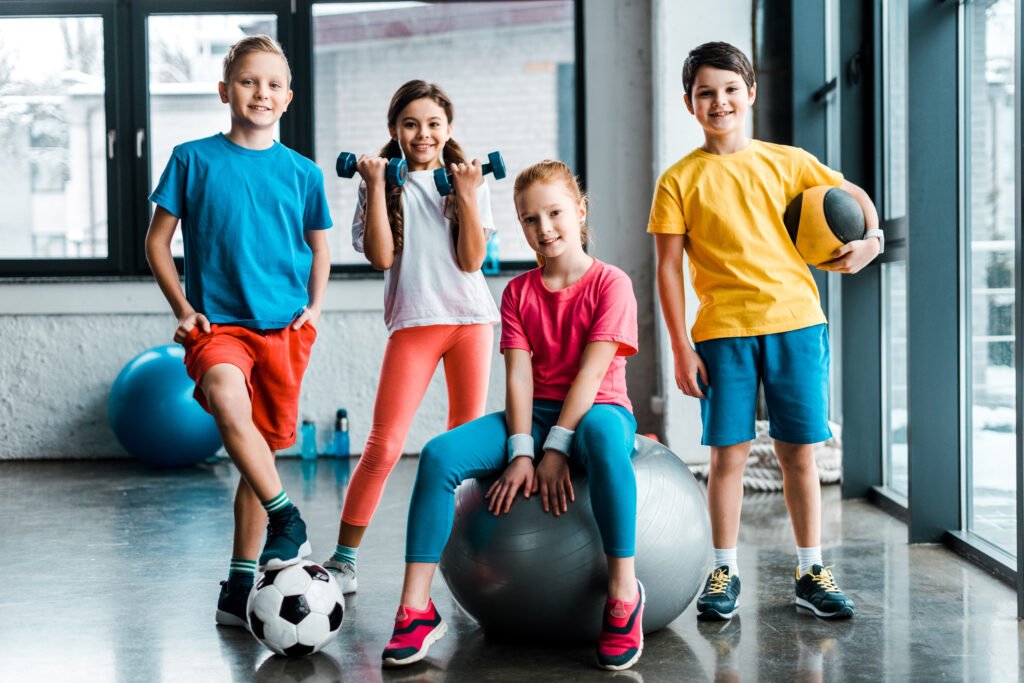
What Age Should You Start Playing Tennis?
The simple answer to what age should you start playing tennis is:
Most children are ready for structured learning between ages 5 and 7.
However, kids can start getting familiar with the sport even earlier through play-based programs.
Here’s why this age range works so well.
Motor Skills Are Developing Rapidly
Around ages five to seven, children experience major improvements in:
- Hand-eye coordination
- Reaction time
- Balance
- Movement patterns
These skills are essential for learning how to hit and control a tennis ball.
Children Can Follow Coaching Instructions
Kids in this age group can usually:
- Understand simple technical guidance
- Participate in drills
- Learn basic rules of the game
This makes beginner tennis lessons more effective and enjoyable.
Learning Feels Like Play
Good kids tennis training doesn’t feel strict. Instead, sessions involve games, teamwork, and challenges that naturally develop tennis ability.
When children enjoy the process, they’re far more likely to continue playing long term.
Tennis Programs by Age
One of the biggest factors in a child’s success is training that matches their age and development level. Quality academies structure programs so young players progress step by step.
Let’s look at how training usually evolves.
Ages 3–5: First Introduction to Tennis
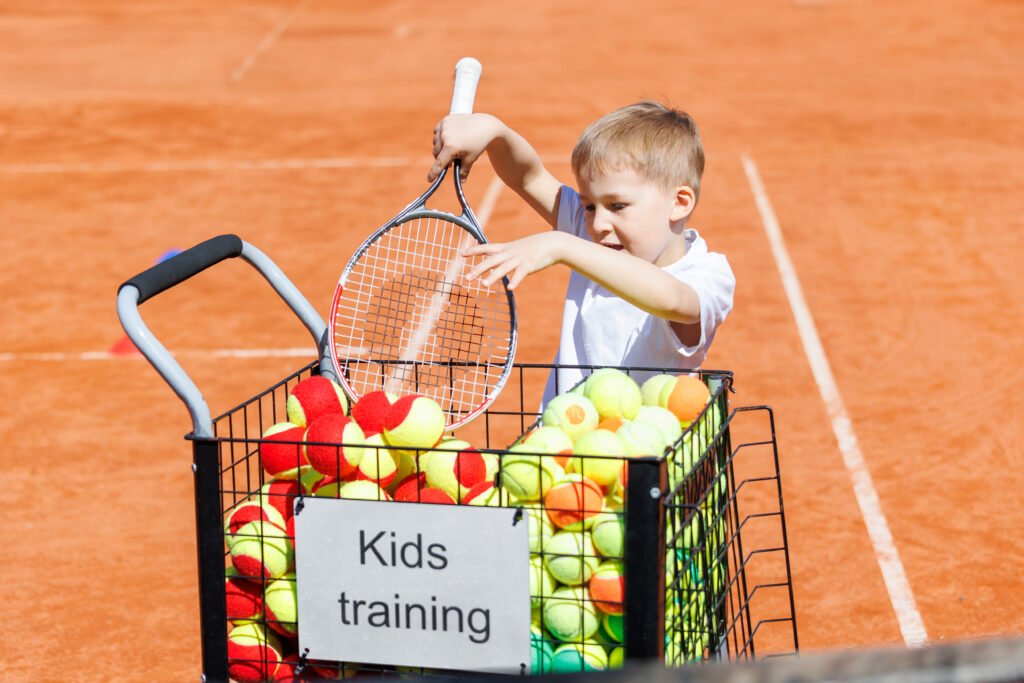
At this stage, the goal is simple: make tennis fun.
Children this young are still developing coordination, so sessions focus on movement and playful activities rather than technical instruction.
Typical elements include:
- Running and balance games
- Throwing and catching exercises
- Mini rackets and foam balls
- Very small courts
Kids begin to understand how the racquet connects with the ball while building athletic foundations.
Mini tennis programs designed for this age help children develop confidence and comfort on the court.
Many parents are surprised how quickly kids begin rallying once equipment is scaled properly.
Ages 5–7: The Best Age to Start Tennis
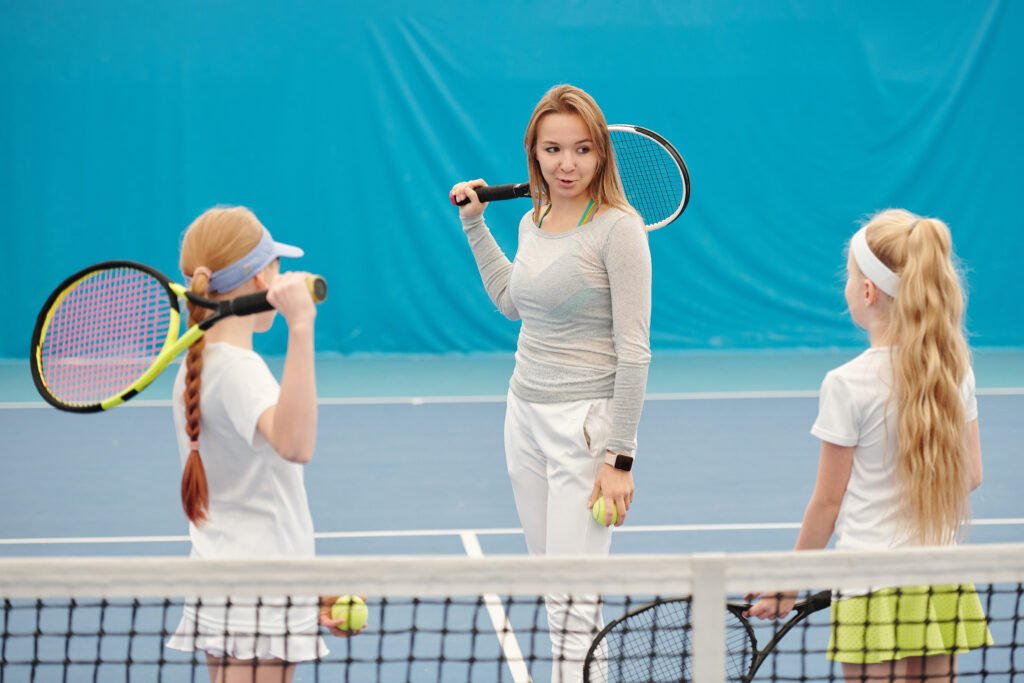
This age range is widely considered the best age to start tennis seriously.
Children begin learning real tennis fundamentals such as:
- Forehands and backhands
- Basic serving motion
- Footwork patterns
- Rallying with partners
Training still includes fun games, but now there is a stronger focus on skill development.
Programs often use:
- Red or orange balls
- Shorter courts
- Kid-sized racquets
These adjustments allow beginners to succeed early, which builds motivation.
Structured academies design these beginner tennis lessons so kids improve without feeling pressure.
Ages 7+: Building Real Tennis Skills
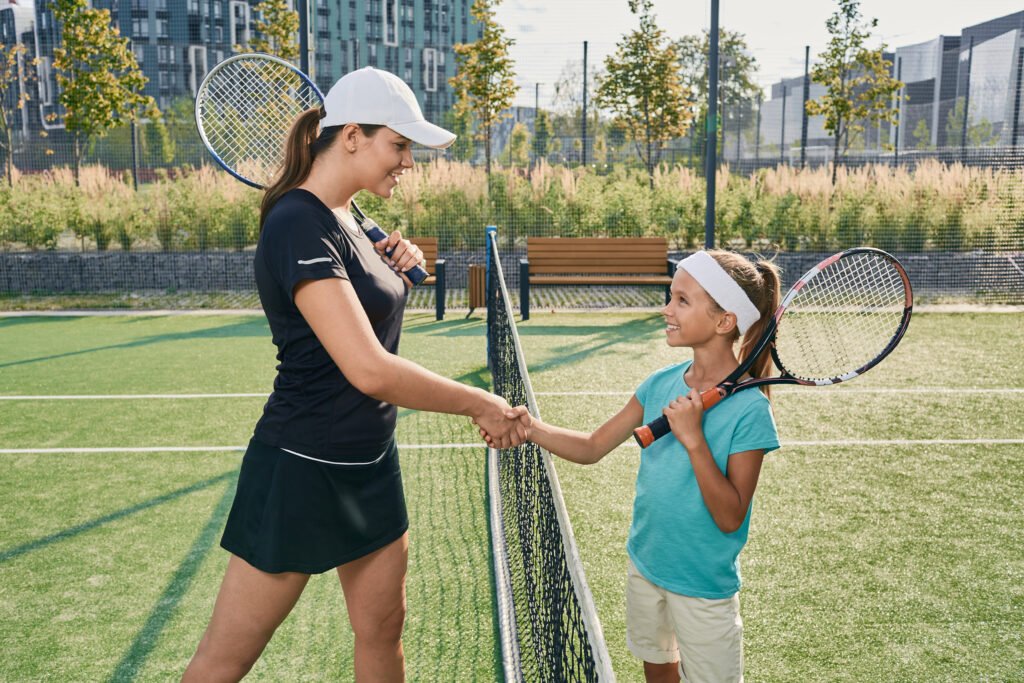
Once children reach about seven or eight, they can focus more deeply on technique and strategy.
Training usually includes:
- Stroke mechanics
- Rally consistency
- Court movement
- Basic match play
- Tactical awareness
Kids also begin to understand the competitive side of tennis.
At this stage, a structured coaching pathway becomes valuable. Many well-established academies follow progressive training systems that help players advance from beginner levels toward competitive development.
Programs like those offered through TopspinsG focus on creating strong fundamentals first before pushing advanced competition.
Benefits of Tennis for Children
Tennis offers much more than just learning how to hit a ball.
It supports physical health, mental development, and social confidence.
Physical Fitness and Athletic Development
Tennis builds a wide range of athletic abilities:
- Speed
- Coordination
- Agility
- Balance
- Endurance
Because the sport involves constant movement and quick reactions, children develop full-body athleticism.
Many coaches consider tennis one of the best sports for developing overall physical literacy.
Mental Strength and Focus
Tennis requires players to think while playing.
Young athletes learn how to:
- Stay focused
- solve problems during points
- handle pressure
- remain calm after mistakes
Over time, these mental skills carry into school and other activities.
Confidence and Personal Growth
Every rally and match helps children grow more confident.
They begin to trust their abilities and understand that improvement comes from practice.
This mindset is incredibly valuable for personal development.
Social Interaction and Friendships
Tennis may look individual, but training is often very social.
Kids tennis classes allow players to:
- Make friends
- Encourage teammates
- Learn sportsmanship
- Celebrate improvement together
Positive group environments often turn tennis into a sport kids want to stick with for years.
Choosing the Right Equipment for Beginners
The right equipment makes learning easier and more enjoyable.
Parents often assume standard adult equipment works for kids—but scaled gear is far better.
Junior Tennis Racquets
The correct racquet size helps kids swing comfortably.
Typical guidelines:
- Ages 3–5: 17–19 inches
- Ages 5–7: 19–23 inches
- Ages 8–10: 23–25 inches
Lightweight racquets prevent bad habits and frustration.
Beginner Tennis Balls
Modified balls are essential in kids tennis training.
These include:
- Foam balls
- Red balls (very slow bounce)
- Orange balls (medium speed)
- Green balls (almost full speed)
They help beginners rally earlier, which builds confidence.
Proper Tennis Shoes
Tennis requires quick side-to-side movement.
Good tennis shoes provide:
- Lateral support
- Court grip
- Comfort during longer sessions
Avoid using running shoes if possible, since they’re designed for straight movement rather than rapid changes of direction.
How to Choose the Right Tennis Academy
Finding the right coaching environment can make a huge difference in how much a child enjoys tennis.
Here are a few things parents should look for.
Experienced Coaches
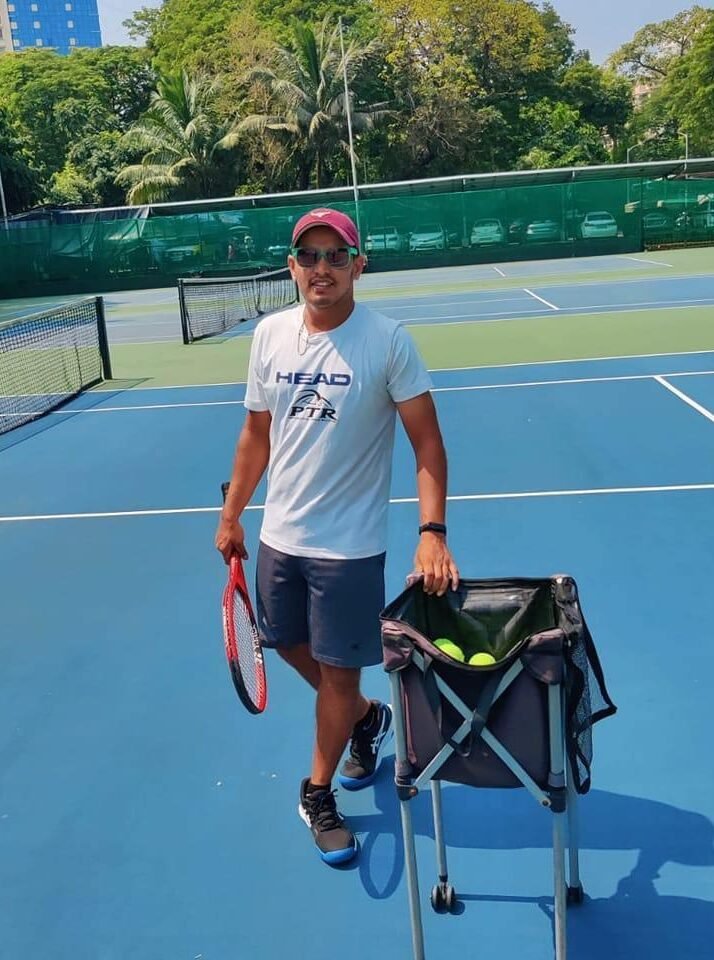
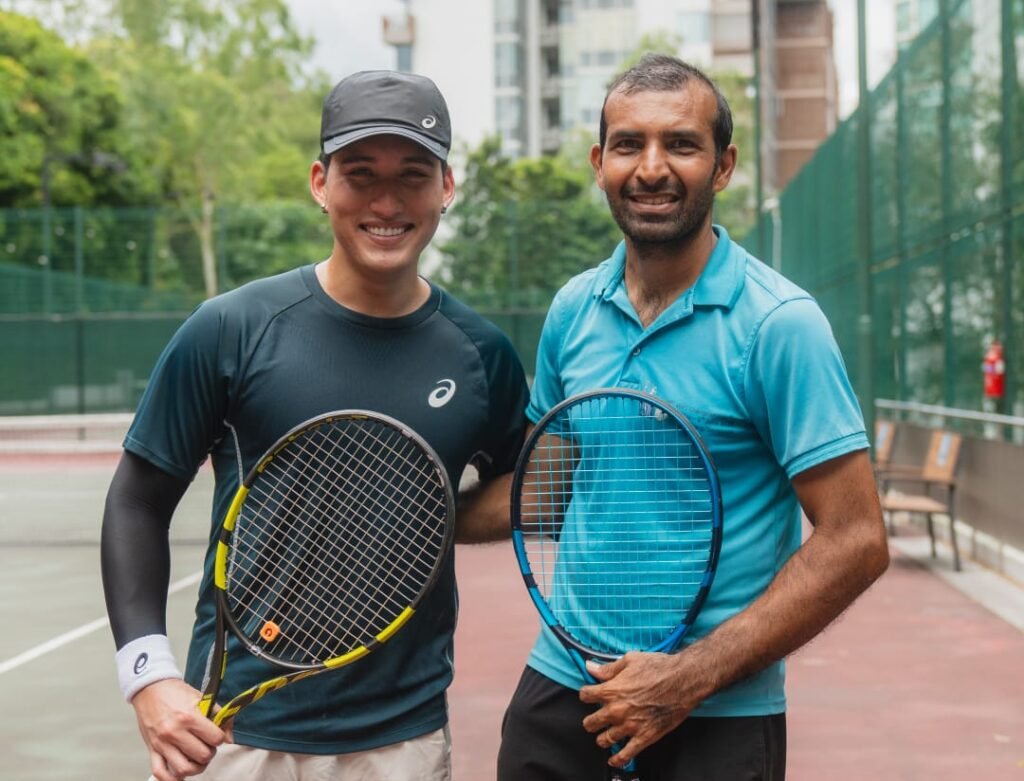

Coaches should understand both tennis technique and child development.
For example, at TopspinsG Tennis Academy, the coaching team brings international experience and structured training methods designed to help players grow at every level.
The academy has trained 500+ players and developed programs refined through 20+ years of coaching experience, which helps beginners learn in a supportive environment.
Structured Training Programs
A good academy offers clear pathways such as:
- mini tennis programs
- beginner tennis lessons
- group classes
- private coaching
This allows players to progress naturally over time.
Topspin’s programs are designed for juniors, adults, beginners, and even seniors, ensuring every player finds the right entry point into the sport.
Positive Learning Environment
Children perform best when training feels encouraging rather than stressful.
Look for academies where coaches emphasize:
- effort over winning
- consistent improvement
- enjoyment of the game
When players feel supported, they stay motivated much longer.
Strong Coaching Background
Parents often appreciate knowing their child is learning from experienced professionals.
At Topspin, coaching leadership includes former ATP-ranked player Saurav Sukul, who trained internationally in Spain, the United States, and Asia. His experience working with high-level professionals and developing players provides valuable insight for students at all levels.
The coaching team also includes certified professionals like Rahul and Swapnil Sharma, who focus on building strong fundamentals, confidence, and long-term improvement.
For parents, experienced coaching often translates into better guidance and a safer learning experience for young players.
Tips for Parents Supporting Young Tennis Players
Parents have a powerful influence on how children experience sports.
Here are some helpful ways to support your child.
Focus on Enjoyment
In the early stages, enjoyment matters more than results.
Children who love playing tennis naturally stay committed and improve faster.
Encourage Consistency
Improvement in tennis comes from regular practice.
Even one or two sessions per week can make a noticeable difference over time.
Avoid Too Much Pressure
Competition can be fun, but pressure can quickly reduce a child’s motivation.
Celebrate effort, learning, and small improvements.
Trust the Coaching Process
Professional coaches structure lessons carefully.
Allow your child time to develop rather than expecting instant progress.
Can Teenagers or Adults Start Tennis?
Definitely.
While many professionals started young, tennis is a sport people can begin at almost any age.
Teenagers and adults often learn quickly because they can:
- understand strategy faster
- focus longer during practice
- apply feedback immediately
Beginner tennis lessons designed for older players often produce rapid progress and can lead to a lifelong hobby.
Conclusion: What Age Should You Start Playing Tennis?
So once again—what age should you start playing tennis?
For most children, the sweet spot is around 5 to 7 years old, when coordination, focus, and enthusiasm come together. Younger kids can start through playful mini tennis programs, while older beginners can still develop strong skills with the right guidance.
What matters most is creating a positive introduction to the sport.
When children learn in supportive environments, with age-appropriate coaching and encouragement, tennis becomes far more than just a sport—it becomes a lifelong skill.
Structured academies such as TopspinsG Tennis Academy aim to make that journey enjoyable by combining professional coaching, thoughtful training programs, and a welcoming environment for players of all levels.
And for many families, that journey begins with one simple question:
What age should you start playing tennis?
Author – Best Digital Marketing Freelacer in India – Kumkum Shinde

I read this piece of writing completely about the resemblance of most
recent and earlier technologies, it’s remarkable article.